Maternity Urinary Incontinence Prevention And Treatment Approaches
Giving Birth & Urinary Incontinence Urogynecology & Pelvic Wellness You might require momentary aid from urinary incontinence medication or support devices to aid relax your bladder and control urine circulation. Some tools, such as a pessary, can be placed in the vagina to sustain the bladder and rectum and help the bladder totally vacant. Other gadgets like bladder slings may also be operatively inserted to deal with urinary incontinence symptoms. You can criticize this typical postpartum symptom on the maternity- and delivery-weakened muscles around the bladder and pelvis, which might have a more challenging time controlling your flow after childbirth. Kegels work by strengthening the musculature of the pelvic flooring, which gives the urethra something to press versus to avoid urine from coming out. The advised kegel routine is 3 sets of eight-to-12 tightenings held for eight-to-10 seconds each, three times a day. Altering hormones can also affect the cellular lining of your bladder and urethra. Fortunately is most bladder leakage or control issues go away after giving birth when the muscles have had time to heal.It is necessary to note that it is not recommended to limit fluids throughout this time. You and your child must remain hydrated by drinking at the very least six to eight glasses of fluids every day to keep a healthy and balanced pregnancy.
Disappointment and dissatisfaction torment brand-new mothers unable to go back to activities they like without fretting about leaks or prolapse.Most of ladies experience no residual impact within simply a couple of months after giving birth.However, minority minutes of remainder in between contractions generally allows blood recede to the area.It occurs when your bladder does not vacant entirely, causing dripping and constant leakage.
Bird-dog Exercise
What does a postpartum bladder prolapse feel like?
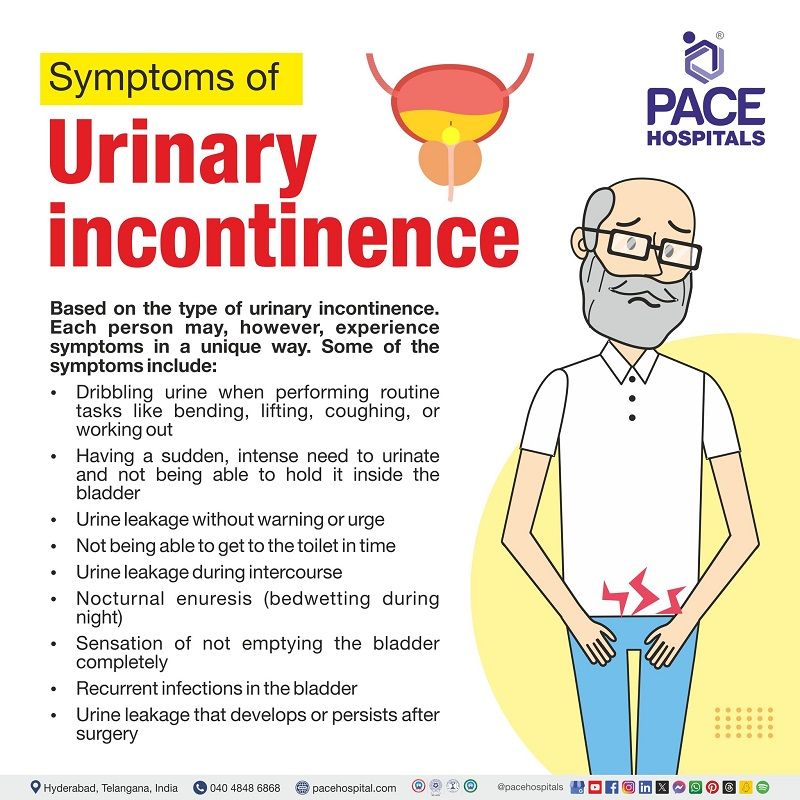
you have throbbing pain in your pelvic area or back. you have trouble mosting likely to the toilet. You might require to pee a lot, have difficulty clearing your bladder or bowel, or urinate mistakenly.
As you begin to feel less tender, begin with mild pelvic floor releases and contractions. Gentle, regular breathing exercises will improve coordination and connection to the location. Your medical professional or nurse might ask you to maintain a diary for 2 to 3 days to track when you empty your bladder or leakage urine. Stress and anxiety urinary incontinence results when intra-abdominal pressure overrides urethral closure stress, unwillingly releasing urine. Jolting activities like running, jumping, or climbing up stairways increase abdominal pressure. Relaxin is a hormonal agent that unwinds your muscular tissues in prep work for labor. A pelvic flooring that's looser and softer, which leads to less control of your bladder.
Find A Remedy For Your Incontinence
What to Anticipate complies with rigorous reporting guidelines and utilizes only reputable resources, such as peer-reviewed research studies, academic research establishments and highly respected health and wellness organizations. Discover just how we maintain our content exact and updated by reviewing our medical testimonial and content plan. And also, as your uterus shrinks in the weeks complying with delivery, it sits straight on the bladder, pressing it and making it harder to stem the tide.
Subcategories Post-partum Period, Type Of Ui And Parity
Throughout those 6 to twelve month of recuperation, your body remains to experience Incontinence Direct EMS treatment hormonal adjustments that affect your bladder. As your uterus contracts back to its initial size, it can place added pressure on your bladder. After an initial decrease in prevalence of UI at 3 months post-partum (21%), at 1 year post-partum, prevalence climbs once more to 31%. UI prevalence does not vary in between primi- and multiparous females. Equally as for urinary incontinence, there is a greater possibility of anal urinary incontinence for a lady adhering to a vaginal shipment than adhering to a cesarean area. Researches show that greater than a 3rd of ladies that provide vaginally have some damage to these rectal muscles. In women with a forceps distribution, about 80% have damages to the rectal muscles. Many recuperate their pre-labor function, but also for some the destructive results can linger for several years. The outcome of extreme injury to anal muscle mass and nerves can be the lack of ability of the anal muscular tissue to shut completely with resultant uncontrolled loss of gas or stool. Urinary urinary incontinence (UI) is an usual issue for post-partum ladies.